SNLA334 june 2023 DP83867CR , DP83867CS , DP83867E , DP83867IR , DP83867IS , DP83869HM
2.2 TDR Algorithm
This section describes how to process the TDR register data. All of the following steps must be carried out in code.
- Define 5x3 matrix as shown in
Table 2-3.
Then, define each column as an array and name them peak_index, peak_value, and
peak_sign. Table 2-3 5x3 Matrix Format
peak_index peak_value peak_sign 0190[7:0] 019a[7:0] 01a5[0] 0190[15:8] 019a[15:8] 01a5[1] 0191[7:0] 019b[7:0] 01a5[2] 0191[5:8] 019b[15:8] 01a5[3] 0192[7:0] 019c[7:0] 01a5[4] - Initialize the following
variables:Table 2-4 Initial Variables
Variable Type Initial Value Description i int 5 Current row of the matrix threshold int 10 The threshold that peak_indx must exceed for a fault to be detected threshold2 int 24 or 17 The threshold that peak_indx must exceed for a fault to be detected for the first two iterations.
DP83867: threshold2 = 24
DP83869: threshold2 = 17fault_detected bool FALSE Defines whether a fault has been detected fault_location float 0 Fault location prop_dly float Propogation delay variable, depends on the cable type and EVM. See the Prop_dly Values table for more information. offset int 16 Variable used in calculating the fault location fault int 1 Defines whether a fault is a SHORT (1) or an OPEN (0) fault Table 2-5 Prop_dly ValuesCable type Prop_dly (DP83867) Prop_dly (DP83869) Cat5/5e 5.35 5.1 Cat6 5 5 Cat7 4.6 4.6 - Write a program with the
following algorithm. See the MATLAB
example code for reference.
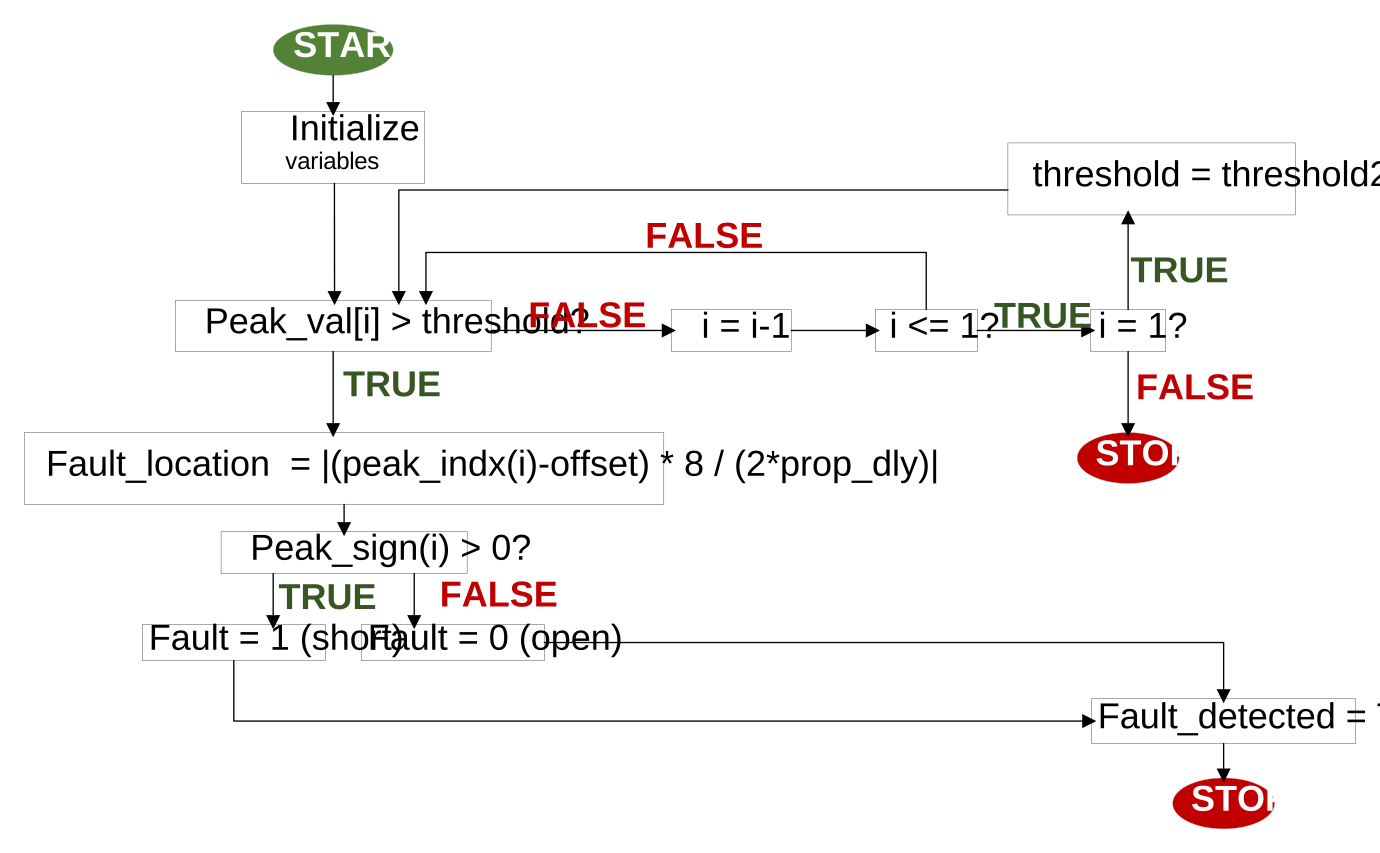 Figure 2-1 DP83867 and DP83869 TDR Algorithm
 - The fault type is in the Fault variable and the fault location is stored in fault_location.