SNOU210 November 2024
2.1 Overview
The EVM is divided into 2 sections: the controller section and the breakable sensor section. The sensor breakout section can be detached to use the sensor in the following scenarios:
- Using the controller section with the sensor section connected by soldered wires/connectors to evaluate the sensor far from the controller and PC at extreme temperatures or other conditions.
- Using the sensor section with the user's system by interfacing with the TMP411 using SMBus communication protocol.
- Using the controller section with TMP411 sensors in the user's system.
Figure 2-1 highlights the EVM sections as well as some components that must be identified by the user to understand the purpose and use. The components are further explained in detail in the sections below.
 Figure 2-1 TMP411EVM Board Sections
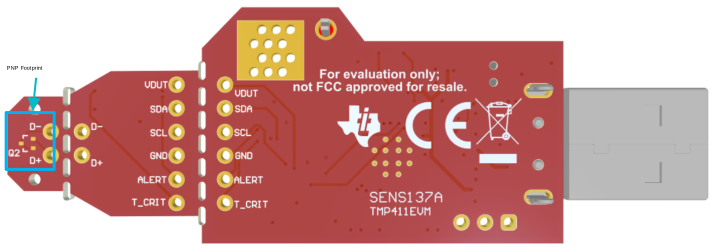 Figure 2-2 TMP411EVM Bottom Side